Health guide
Dengue, typhoid and monsoon fever: which test, and when
Every monsoon season, Dehradun sees a sharp rise in dengue, typhoid, and malaria. These three infections can look almost identical in the first 24 to 48 hours, yet each needs a completely different treatment. Testing early, and testing for the right thing, prevents dangerous delays. Knowing which test to do on which day is the first step toward getting better faster.
Reviewed by Dr. Vishal Singh, Lab DirectorUpdated
Fever symptoms that need testing
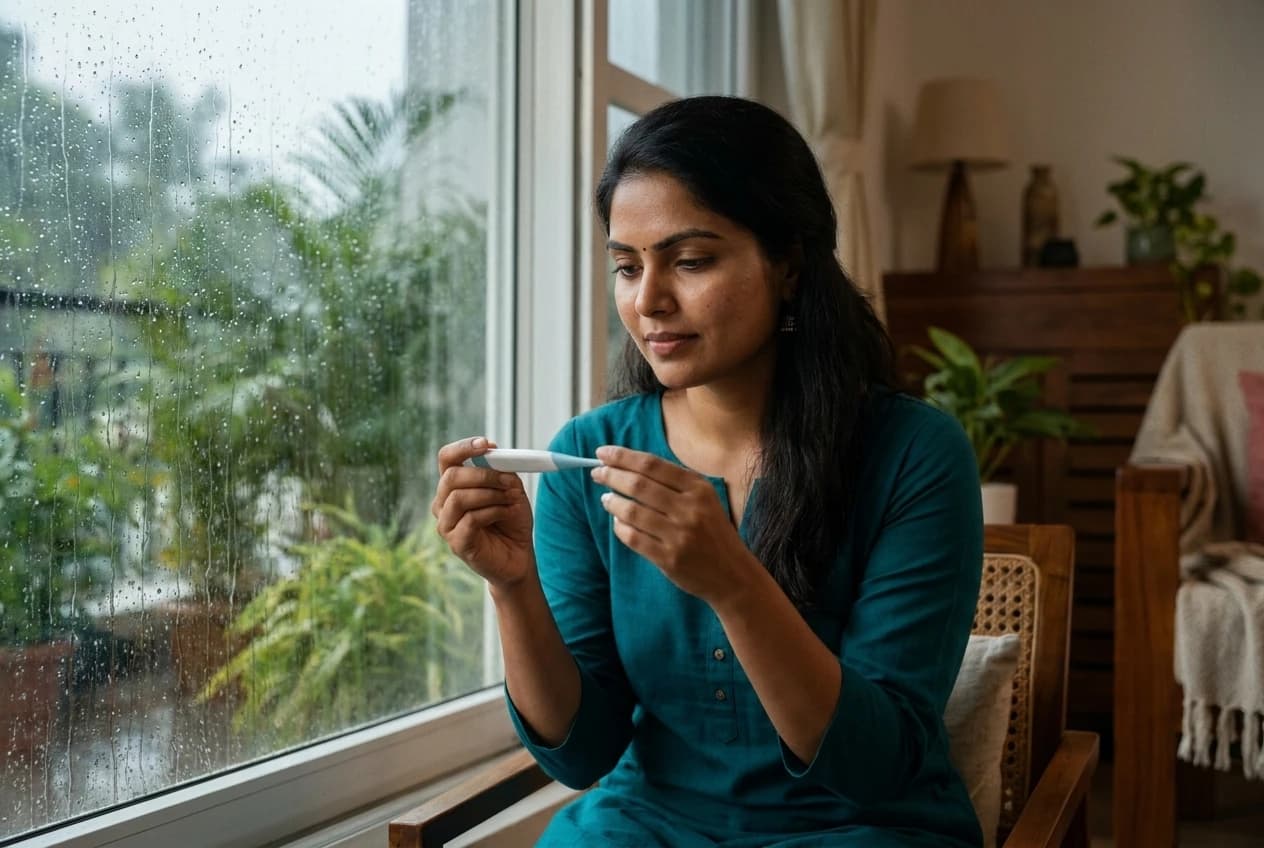
- Sudden high fever, often coming on within hours
- Severe body ache and joint pain that makes movement difficult
- Intense headache, especially behind the eyes
- Skin rash appearing a few days into the fever
- Fever that does not settle after two or three days
- Marked weakness, fatigue, or loss of appetite
Which test tells you what
For dengue, the NS1 antigen ELISA is most reliable in the first five days of fever when the virus is actively circulating in the blood; after day five, antibody tests become more relevant. A Complete Blood Count (CBC) done every 24 to 48 hours tracks your platelet count, which can fall rapidly in dengue and guides how closely you need to be monitored. If typhoid is suspected, the Widal test or the more specific Typhi Dot rapid antibody test can confirm the diagnosis. For malaria, a malaria antigen rapid test identifies the parasite quickly, so treatment can begin without waiting for results the next morning.
Warning signs that mean see a doctor today
A falling platelet count, bleeding from the gums or nose, blood in urine or stools, or dark-coloured urine are all signs that dengue has moved beyond a simple fever and needs urgent medical attention. Persistent vomiting, severe abdominal pain, or cold and clammy skin are red flags regardless of which monsoon illness is suspected. Children, elderly patients, pregnant women, and anyone with diabetes or heart disease should consult a doctor as soon as fever begins. If your fever has lasted more than three days without a clear diagnosis, do not delay testing further.
This guide is for general information and is not a diagnosis. Always discuss your symptoms and results with a doctor.
Tests that help
Recommended panel
FeverShield
9 biomarkers in one panel
Frequently asked questions
Can I have dengue and typhoid at the same time?
Yes, co-infections during the monsoon are possible, particularly in areas with poor sanitation and stagnant water. A doctor may advise testing for both simultaneously if the clinical picture is unclear, which is why panels that include NS1, CBC, and Typhi Dot together are often more useful than a single test.
How often should I repeat a CBC if dengue is confirmed?
Your doctor will advise the frequency based on your platelet trend, but daily monitoring of the CBC is common once dengue is confirmed and the platelet count is declining. At-home sample collection makes it easier to track this without visiting a lab every day.
Not sure where to start?
Message LabONE on WhatsApp. We will help you pick the right test and book home collection in Dehradun — and every package is 25% off when you book online.
Ask on WhatsAppTest nahi. Rishta.